This complete guide to EV charging for Canadian condo and strata buildings covers approval rules, load management, funding, and technology decisions from coast to coast. Getting EV charging approved in a Canadian condo or strata building is one of the most common property management challenges today. The rules can be different depending on the province, and the technology choices made at the beginning can decide whether a building can scale from a few chargers to hundreds without expensive electrical upgrades.
This guide is designed for condo boards, strata councils, property managers, and developers across Canada. It explains the EV charging approval process, Ontario and British Columbia regulations, smart load management, funding options, and how to choose a future-ready EV charging solution.
For Canadian multi-unit residential buildings, EV charging is no longer just a resident convenience. It is becoming an important part of property planning, sustainability, resident satisfaction, and long-term building value.
Elocity brings practical experience to this space through large-scale multi-residential deployments, including the Richmond Centre for Education in British Columbia, where over 100 chargers were installed across a large residential development. That real-world experience shapes the practical advice in this guide.
One of the most common questions from condo boards is whether EV charging requires a major electrical upgrade. In many cases, it does not. The challenge is often the cost of electrical upgrades. Many buildings assume that adding EV chargers automatically requires a major panel or service upgrade. In many cases, smart load management can reduce or avoid the need for costly upgrades by distributing available power across multiple charging stations.
Ontario and British Columbia EV Charging Rules
EV charging rules for condo and strata buildings vary by province. Ontario and British Columbia have specific frameworks that boards and property managers should understand before starting an EV charging project.
Ontario Condo EV Charging Rules
In Ontario, EV charging installations in condominium corporations are governed by Ontario Regulation 48/01 under the Condominium Act, 1998.
There are generally two pathways for EV charging installation. The first is a corporation-initiated project, where the condo corporation decides to install EV charging infrastructure for the building. The second is an owner-initiated request, where an individual owner applies to install an EV charger for their parking space.
For corporation-initiated projects, boards need to consider the cost, impact on common elements, and whether the project triggers additional owner approval requirements. If the estimated cost is significant compared with the corporation’s annual budgeted common expenses, additional approval may be required.
For owner-initiated applications, property managers should carefully track response timelines. In Ontario, if a qualifying owner application is not responded to within the required timeline, it may be deemed approved.
Because EV charging projects can involve legal, electrical, and financial considerations, condo boards should work with condominium counsel before issuing notices or signing vendor agreements. Boards and managers can also refer to the Condominium Authority of Ontario and CMRAO for condo-related information and licensed manager resources.
British Columbia Strata EV Charging Rules
In British Columbia, EV charging in strata corporations is governed by the Strata Property Act, along with the EV Charging and Electrical Management Regulation.
Recent changes under Bill 22 have made it easier for many strata corporations to approve EV-related upgrades. In some cases, the vote threshold for EV-related changes has been reduced from a three-quarter vote to a majority vote. However, not every EV-related decision follows the same rule.
Special levies and bylaw amendments may still require a higher voting threshold. This is one of the most common planning mistakes in BC strata EV projects. Strata councils should confirm the correct approval pathway before communicating with owners.
BC strata corporations with five or more strata lots may also need an Electrical Planning Report. This report helps the building understand its current and future electrical needs, including EV charging, heat pumps, cooling, and other electrification requirements.
For BC strata buildings, EV charging planning should be treated as part of a broader long-term electrical strategy. Strata councils can also refer to the BC Financial Services Authority and the Civil Resolution Tribunal for related regulatory and dispute-resolution information.
Ontario vs British Columbia: Quick Comparison
| Area | Ontario Condos | British Columbia Strata |
|---|---|---|
| Main legislation | Condominium Act, 1998 | Strata Property Act |
| EV-specific regulation | O. Reg. 48/01 | EV Charging and Electrical Management Regulation |
| Owner application process | Includes a response timeline and deemed-approval rule | Strata corporations must not unreasonably refuse eligible requests |
| Voting requirements | Depends on project cost and impact | Some EV-related decisions may require majority vote, while special levies may still need a three-quarter vote |
| Planning requirement | No mandatory electrical planning report | Electrical Planning Report required for many strata corporations |
| Dispute process | Usually handled through private mediation or arbitration | Civil Resolution Tribunal may handle strata EV disputes |
Smart Load Management: Adding EV Chargers Without Major Electrical Upgrades
Yes, EV chargers can often be added to a condo or strata building without a major panel upgrade. This kind of smart load management is central to modern EV charging for Canadian condo and strata buildings of every size.
Smart load management allows multiple EV chargers to share the building’s available electrical capacity. Instead of allowing every charger to draw full power at the same time, the system monitors demand and distributes power intelligently.
This helps prevent overloads while still ensuring that vehicles receive enough charge, especially during overnight parking periods.
For example, Elocity’s HIEV CPMS can monitor total building demand and manage charging power across multiple ports. This allows buildings to scale EV charging more efficiently and avoid unnecessary infrastructure costs.
Types of Load Management
- Static load management assigns a fixed amount of power to each charger. It is simple and lower cost, but it may not be flexible enough for buildings with limited capacity.
- Rotational load management allows chargers to take turns receiving power. This can work well for overnight residential charging where vehicles are parked for many hours.
- Dynamic load management adjusts charging power in real time based on building demand. This is often the best option for condos and strata buildings because it uses available electrical capacity more efficiently.
For multi-unit residential buildings, dynamic load management is usually the most future-ready approach.
Sub-Metering and Fair Billing
Fair billing is one of the most important parts of any condo or strata EV charging project.
Without proper sub-metering, non-EV owners may worry that they are subsidizing EV owners through common electricity costs. A sub-metered EV charging system helps solve this issue by measuring how much energy each driver uses.
This allows EV owners to pay for their own charging sessions while non-EV owners are not charged for electricity they did not use.
Measurement Canada-certified sub-metering is especially important because it supports accurate and legally defensible billing for EV charging in Canada. Elocity’s HIEV Level 2 charger includes built-in Measurement Canada-certified sub-metering.
Board Approval Process: Step by Step
| Step | Action | Who | Timing / Note |
|---|---|---|---|
| 1 | Commission an electrical capacity assessment | Property manager / electrical engineer | Before any owner or board commitment |
| 2 | Review technical options, cost models, funding sources, load management, and sub-metering | Board / property manager | Before project approval |
| 3 | Choose the funding and deployment model | Board | Before owner communication or vendor agreement |
| 4 | Complete required notices, approvals, or votes | Board / property manager / owners | Based on provincial rules |
| 5 | Apply for available rebates | Property manager | Before installation begins |
| 6 | Finalize vendor agreement | Board | Legal review recommended |
| 7 | Complete installation and commissioning | Vendor / electrician | Per project timeline |
| 8 | Inform residents when the system is live | Property manager | After commissioning |
Common Board Concerns and How to Address Them
- Concern: The building’s electrical system cannot support EV charging. Response: Start with an electrical capacity assessment. In many cases, smart load management can allow EV charging without a major service upgrade.
- Concern: The project will be too expensive. Response: Compare full corporation funding, owner-pay models, grants, and Charging-as-a-Service so owners can understand the financial impact.
- Concern: Non-EV owners will subsidize EV owners. Response: Use sub-metered billing so EV drivers pay for the electricity they use.
Funding EV Charging Projects in Canada
Many Canadian condo and strata buildings may be eligible for EV charging funding programs. You can also explore available incentives and grants on the Elocity website.
The NRCan Zero Emission Vehicle Infrastructure Program (ZEVIP) provides funding support for EV charging infrastructure, including multi-unit residential buildings.
In British Columbia, CleanBC Go Electric offers rebates for eligible EV charging projects, including strata buildings.
Some municipalities may also offer additional incentives. For example, the City of Toronto ACE Program may support eligible Toronto condominium corporations.
It is important to apply for funding before installation begins, because many programs require pre-approval.
Common EV Charging Cost Models
| Cost Model | How It Works | Best Fit |
|---|---|---|
| Corporation-funded | The building pays for installation and EV drivers pay for usage. | New builds or buildings with strong reserve funds |
| Owner-initiated | The individual EV owner pays for charger installation and energy usage. | Buildings with low initial EV demand |
| Charging-as-a-Service | The vendor reduces upfront costs and recovers costs through fees or a long-term agreement. | Buildings with limited capital or grant access |
| Revenue-share | The building receives a share of charging revenue. | High-use commercial or mixed-use properties |
| Grant-stacked | Federal, provincial, utility, or municipal incentives reduce final project cost. | Most Canadian buildings should evaluate this first |
Future-Proofing Condo and Strata EV Charging
EV charging demand will continue to grow. Buildings should avoid planning only for today’s demand and instead design infrastructure that can scale over time.
Future-ready planning may include extra conduit, panel space, open-standard software, and load management that supports additional chargers later.
Choosing an OCPP-compliant platform is also important. OCPP helps buildings avoid vendor lock-in by allowing different charger brands to work with compatible charging management software.
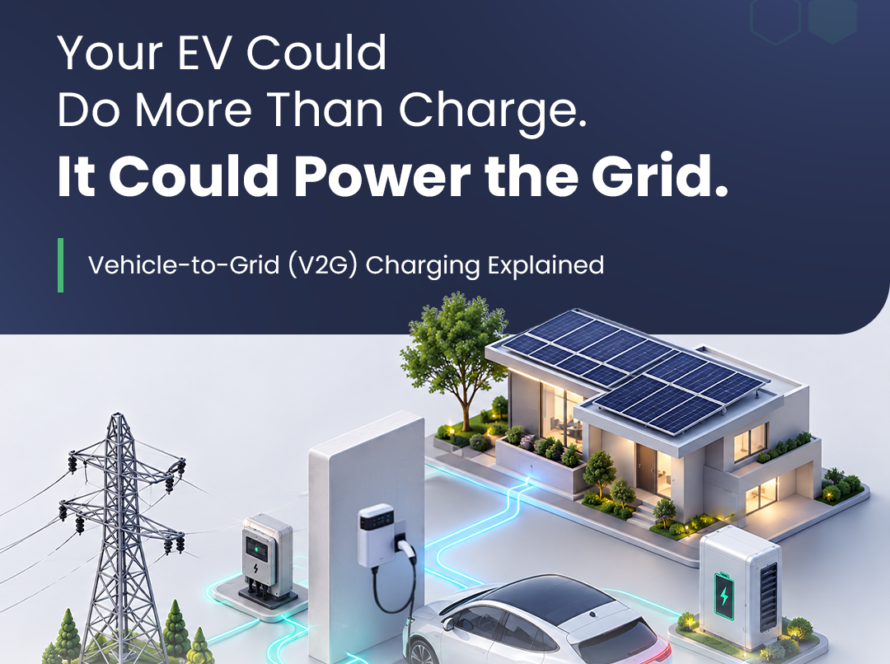
Buildings should also consider future technologies such as solar integration, battery storage, vehicle-to-grid support, and advanced energy management as long-term EV adoption grows.
FAQs
Can you install EV chargers in a condo building without upgrading the electrical panel?
Yes. In many cases, smart load management allows multiple EV chargers to share the building’s existing electrical capacity without requiring a costly panel upgrade. The system monitors real-time building demand and distributes power across charging ports to prevent overloads.
What law governs EV charging in Ontario condo buildings?
EV charging in Ontario condominium corporations is governed by Ontario Regulation 48/01 under the Condominium Act, 1998. This regulation outlines the approval process for EV charging installations and includes timelines for owner-initiated applications.
Does BC’s Bill 22 change the vote required to install EV chargers in a strata building?
Yes. BC’s Bill 22 changed the voting threshold for some EV-related decisions in strata buildings. However, some decisions, such as special levies or bylaw changes, may still require a higher vote threshold. Strata councils should confirm the correct process before moving forward.
What is an Electrical Planning Report?
An Electrical Planning Report is a required planning document for many BC strata corporations. It helps the building understand current and future electrical needs, including EV charging, heat pumps, cooling systems, and other electrification requirements.
What rebates are available for EV charging in Canadian condo buildings?
Canadian condo and strata buildings may be eligible for programs such as NRCan ZEVIP, CleanBC Go Electric, utility incentives, or municipal funding programs. Most programs require pre-approval before installation begins.
How are EV charging costs shared fairly between EV and non-EV owners?
The fairest approach is sub-metered billing. With sub-metering, EV owners pay for the electricity they use, while non-EV owners do not subsidize EV charging through common expenses.
What is the 60-day rule for EV charging applications in Ontario condos?
In Ontario, a condominium corporation must respond to a qualifying owner EV charging application within the required timeline. If it does not respond within that window, the application may be deemed approved. Property managers should track these applications carefully.